

Education Initiatives
Lorem ipsum dolor sit amet, consectetur adipiscing elit.
Learning Objectives
Critically evaluate contemporary social justice issues and media narratives by engaging with real-world, documentary-based content.
Build intercultural understanding, empathy, and global perspectives through reflective discussions, collaborative learning, and storytelling.
Formulate and communicate evidence-based arguments during structured, educator-led discussions to foster perspective-taking and civil discourse.
Develop critical thinking skills and synthesize information to produce informed opinions.
Build confidence in civic communication by practicing. public speaking and writing.
Work effectively in teams to design, plan, and present community-oriented projects.
Take informed action by applying classroom learning to broader societal contexts at schools, civic organizations, and other public forums.
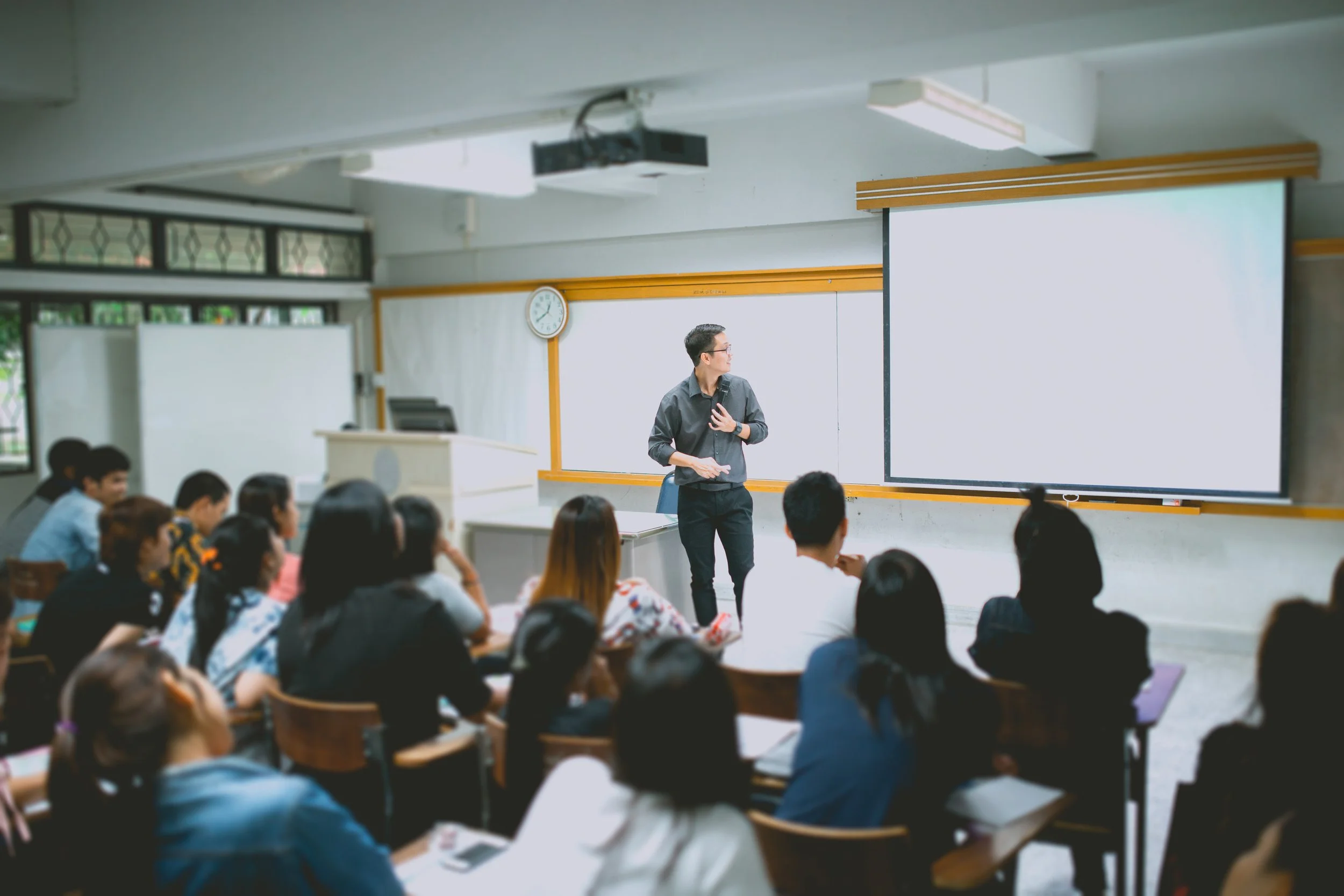

Documentary-Based Learning
October 8 serves as a powerful instructional tool, using film snippets, screengrabs, and real interviews to bring complex geopolitical narratives to life and foster the emotional connections and critical engagement that standard textbooks cannot achieve.

Facilitated Discussions
We provide detailed viewing guides, structured discussion frameworks, and pre-viewing materials to help educators guide nuanced, evidence-based conversations on sensitive topics like anti-Zionism, media bias, and free speech versus hate speech.

Comprehensive Curricula
Our adaptable, standards-aligned curriculum modules integrate seamlessly into high school and university programs, equipping students with key vocabulary, historical context, and critical analysis of slogans, symbols, and contemporary ideologues.

Teacher Training
Live and recorded professional development workshops equip educators with the foundational knowledge, confidence, and practical strategies needed to teach complex issues around antisemitism, bias, and civil rights.

Community Engagement
We partner with schools, community centers, civic groups, and advocacy networks to expand educational outreach, promote viewpoint diversity, and build strategic alliances that safeguard inclusive learning environments.
Our Educational Strategies
We employ multiple approaches to ensure our educational initiatives reach and resonate with diverse learners.
Featured Educational Programs
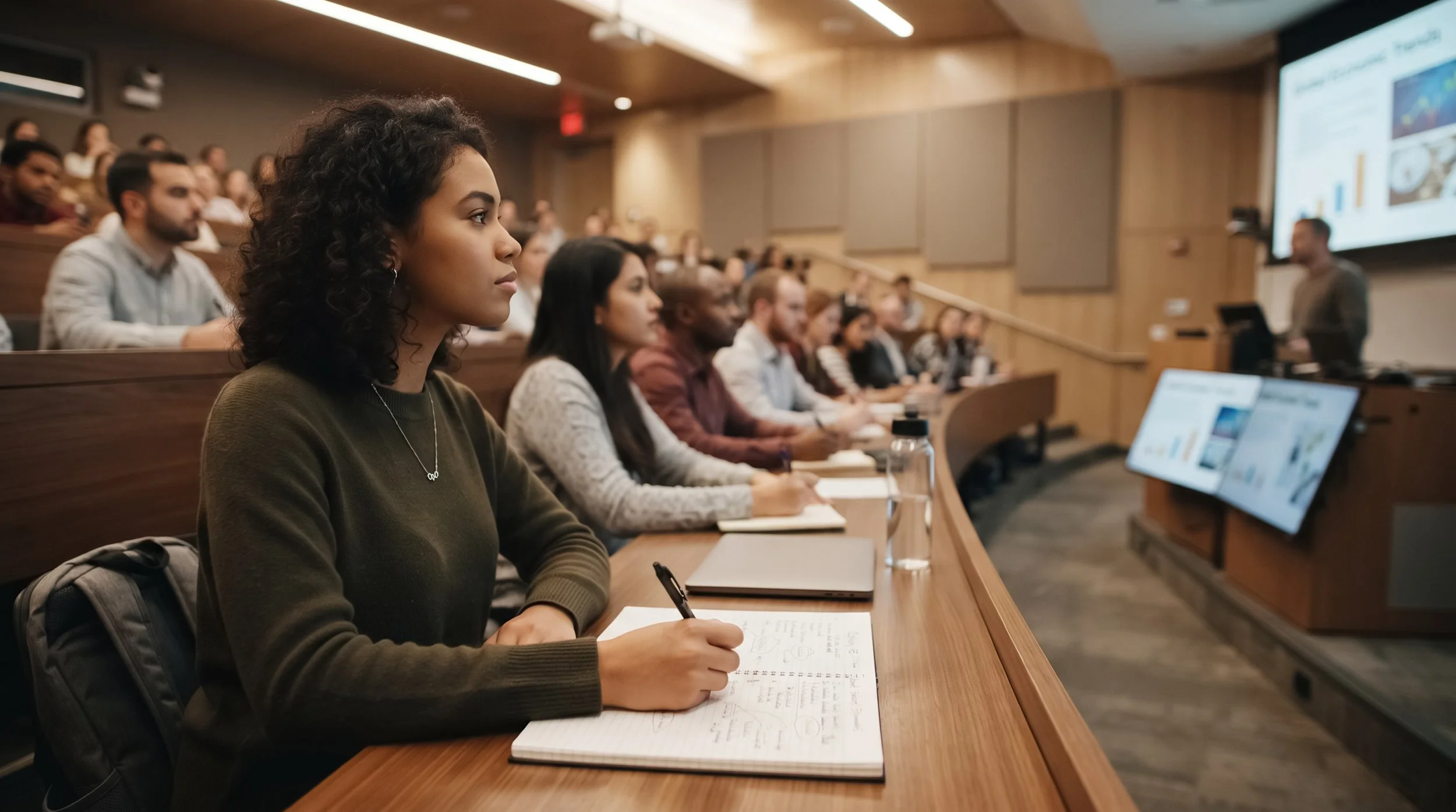
Higher Education
Campus Screening Initiative
This initiative integrates the October 8 documentary into higher education curricula—such as social justice, media studies, and political science—to examine critical topics like media bias, antizionism, anti-Americanism, and free speech on campus.
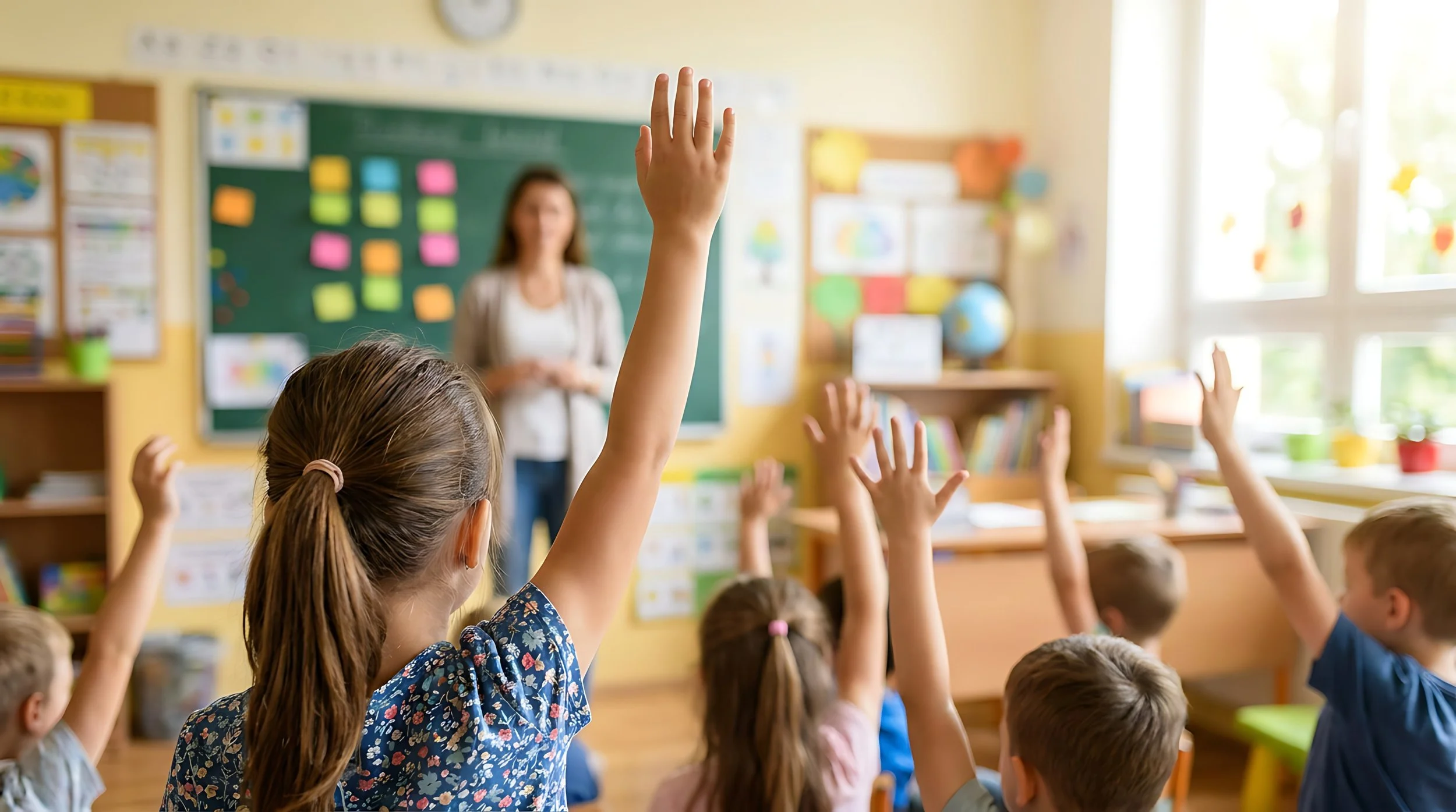
K-12 Education
Youth Partnership Program
Designed for middle and high school students, these age-appropriate curriculum modules—which can feature selected short clips from the film—foster empathy, critical thinking, and global awareness through powerful storytelling and guided reflection.

Professional Development
Educator Certification Program
Through Zoom training—which includes interactive presentations, breakout sessions, and ongoing support—this program equips educators to become facilitators of our curriculum by providing background resources, practice teaching sessions, and guidance for handling sensitive topics.

Cultural Development
Interfaith and Intercultural Alliances
This initiative brings diverse groups together through partner organizations to watch the film, share a meal, and engage in meaningful dialogue to build cross-cultural understanding and enduring community alliances.
Bring Our Curriculum to Your Institution
Whether you're an educator, administrator, or community leader, we're here to support your educational goals. Request access to our curriculum materials or schedule a consultation with our education team.